
Blog
8 Ways to Support Sperm Motility Naturally

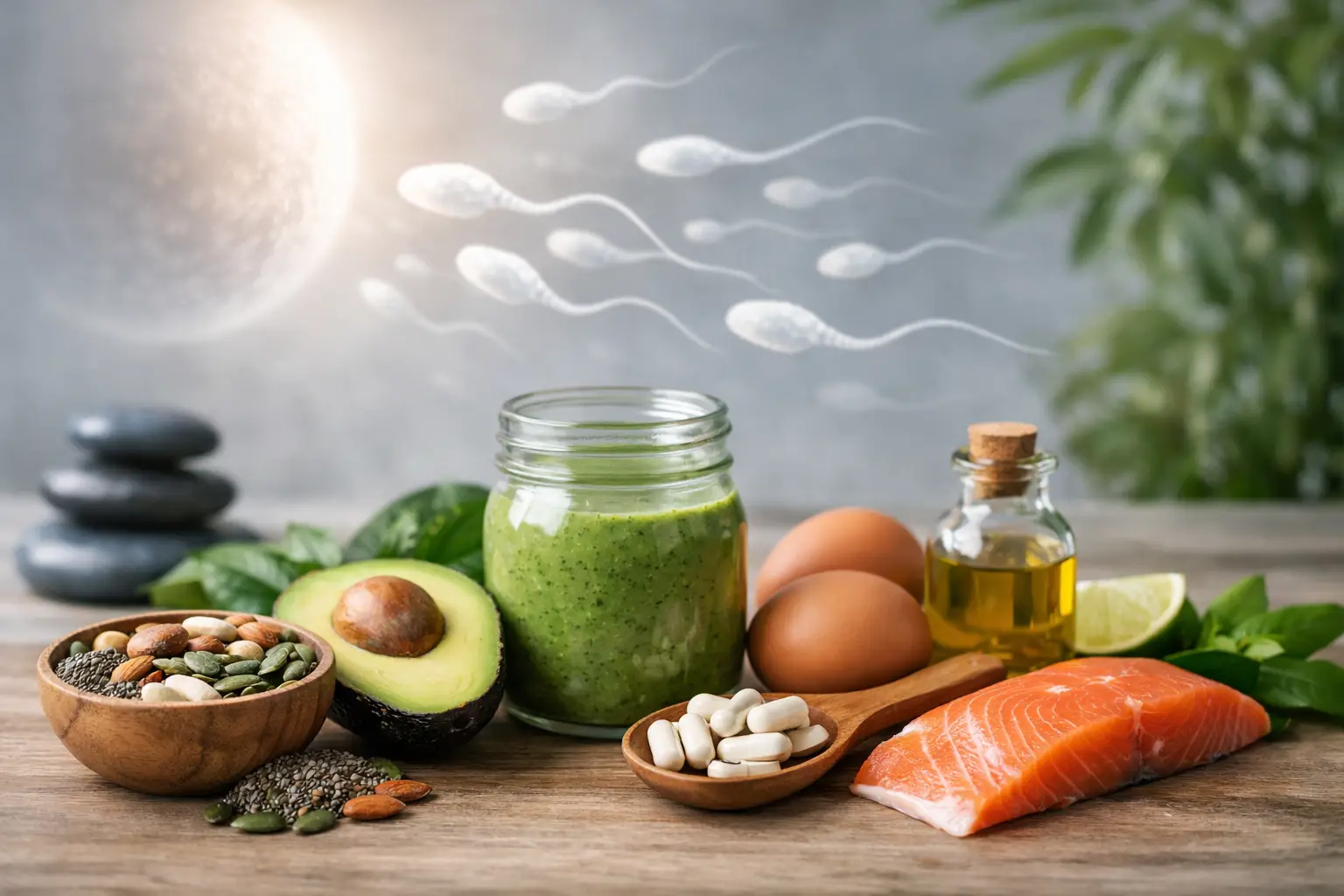
Sperm motility is not about a single “male fertility” food or a quick-fix capsule. It is about whether sperm can move forward efficiently enough to reach an egg. If you are trying to conceive, learning how to support sperm motility naturally means taking a hard look at the habits that affect your energy, hormones, circulation, inflammation, and heat exposure every day.
The upside: sperm are constantly being made. While meaningful changes typically take around two to three months to show up in sperm parameters, your next 90 days are a real opportunity to build better conditions for reproductive health.
What sperm motility actually means
Motility describes sperm movement. A semen analysis usually separates it into total motility and progressive motility. Progressive motility matters because these sperm move with purpose rather than simply twitching or circling in place.
Low motility can happen for many reasons. Oxidative stress, poor diet quality, smoking, frequent heavy drinking, chronic illness, hormonal issues, varicocele, infections, medication use, and repeated heat exposure can all play a role. Sometimes there is a clear medical cause. Sometimes the result improves when a man gets his lifestyle under control.
A single semen test is not a final verdict. Sperm counts and movement can vary from one sample to the next, especially after illness, fever, poor sleep, dehydration, or a stressful period. If you have been trying to conceive for 12 months, or six months if your partner is 35 or older, get a proper fertility evaluation instead of guessing.
1. Build meals around antioxidants and real nutrition
Sperm cells are vulnerable to oxidative stress. In plain English, too much cellular damage can affect their quality and movement. A diet based on colorful plants, quality protein, healthy fats, and minimally processed carbohydrates gives your body the raw materials it needs to function well.
Make the default plate simple: vegetables or fruit, a solid protein source, fiber-rich carbs, and healthy fats. Citrus, berries, tomatoes, leafy greens, beans, nuts, seeds, eggs, fish, lean meats, and whole grains all earn their place. You do not need a perfect diet. You need a consistent one.
Focus especially on nutrients commonly tied to male reproductive health, including vitamin C, vitamin E, zinc, selenium, folate, and omega-3 fats. Food comes first because it delivers these nutrients in a useful package, along with fiber and plant compounds that isolated pills cannot fully replace.
At the same time, cut back on the habits that work against your goal: sugary drinks, frequent fast food, heavily processed snacks, and a diet dominated by refined carbs. One burger will not ruin your fertility. Making low-quality food your everyday fuel can.
2. Train consistently, but do not run yourself into the ground
Regular movement supports circulation, body composition, stress control, sleep, and metabolic health. Those are all good signs for male hormone health and sexual function. Aim for a mix of resistance training, walking, cycling in moderation, or other cardio you can maintain week after week.
The trade-off is overtraining. Hard exercise without enough calories, recovery, or sleep can push stress higher and disrupt hormones. More is not always better. Three to five sensible workouts a week, plus daily movement, will beat random all-out sessions followed by days on the couch.
If cycling is your main sport, pay attention to pressure and heat around the groin. A properly fitted seat, padded shorts, standing breaks, and varied training can help reduce prolonged compression. You do not have to quit the bike. Just avoid treating discomfort and numbness as normal.
3. Protect your testicles from repeated heat
Testicles sit outside the body for a reason. Sperm production works best at a temperature slightly cooler than core body temperature. Short-term warmth is part of life. The concern is repeated, high heat over time.
That means being smart with hot tubs, saunas, heated car seats, and very hot baths if fertility is your current priority. Do not panic over one weekend in a hot tub. But if you use high heat several times a week, take a break for a few months and see it as a practical fertility move.
Avoid resting a laptop directly on your lap for long stretches. If your job keeps you seated all day, stand up and walk periodically. Loose, comfortable underwear may be preferable for some men, although the bigger wins usually come from reducing intense heat exposure and improving overall health.
4. Stop smoking and get honest about alcohol
Smoking is one of the clearest lifestyle threats to sperm health. Tobacco smoke increases oxidative stress and exposes the body to chemicals that can affect sperm count, shape, and movement. Quitting is not only a fertility decision. It is a stamina, circulation, and long-term performance decision.
Vaping is not a free pass either. The research is still developing, but nicotine and other exposures are not a smart bet when you are trying to optimize fertility. If you need help quitting, use a real plan: talk with a clinician, set a quit date, and get support rather than relying on willpower alone.
Alcohol is more nuanced. An occasional drink is different from regular binge drinking or several drinks every night. Heavy alcohol use can interfere with hormone balance, sleep, sexual performance, and nutrient status. Keep intake low, and consider cutting it out for 90 days if conception is a serious goal.
5. Sleep like your hormones depend on it
They do. Testosterone production, stress regulation, appetite control, and recovery all take a hit when sleep is consistently short or broken. That does not mean one bad night destroys sperm motility. It means months of poor sleep can put your whole system at a disadvantage.
Set a non-negotiable target of seven to nine hours most nights. Keep your bedroom cool and dark, limit late-night alcohol, and stop letting your phone turn bedtime into another hour of stimulation. If you snore heavily, wake up gasping, or feel exhausted despite enough time in bed, ask about sleep apnea. It can affect more than your daytime energy.
6. Manage weight, blood sugar, and stress
Carrying excess body fat, especially around the midsection, can affect inflammation, insulin sensitivity, and hormone balance. Crash diets are not the answer. Extreme restriction can create its own problems. The better play is slow, sustainable progress through higher-protein meals, more fiber, regular activity, and consistent sleep.
Stress deserves the same straight talk. You cannot eliminate it, but you can stop feeding it. Chronic stress often brings poor sleep, less exercise, more alcohol, emotional eating, and lower sexual desire. Start with one daily pressure-release habit you will actually do: a 20-minute walk, lifting session, breathing practice, time outside, or a phone-free hour at night.
7. Be careful with supplements and hormone products
Supplements can support a healthy routine, but they cannot overpower smoking, sleep deprivation, heavy drinking, or an untreated medical issue. Be skeptical of products that promise instant fertility results or claim to fix severe sperm problems overnight. That is not how sperm biology works.
If you choose a daily vitality supplement, look for transparent labeling, sensible ingredient amounts, and a legitimate seller. Ingredients such as maca, tribulus, goji, and B vitamins are often used to support energy, libido, and general male vitality, but they are not a replacement for a fertility workup or a proven treatment plan. Get Candy B+ Complex is designed around that daily vitality mindset, not as a magic fertility cure.
Avoid testosterone replacement or anabolic steroids unless they are prescribed and managed by a qualified clinician who knows you are trying to conceive. External testosterone can suppress the body’s own sperm production, sometimes dramatically. This catches plenty of men off guard because testosterone may improve how they feel while working against fertility goals.
8. Know when natural steps are not enough
Natural habits are worth doing because they can improve your broader health, sexual confidence, and fertility foundation. But low motility can also be linked to conditions that need medical attention, such as a varicocele, hormonal imbalance, infection, genetic factor, or blockage.
See a urologist or reproductive specialist sooner if you have a history of testicular injury, undescended testicle, testicular surgery, chemotherapy, sexually transmitted infections, erectile issues, pain or swelling, or use of testosterone or steroids. A semen analysis, physical exam, and targeted bloodwork can replace uncertainty with a real plan.
Start with the moves that deliver the biggest return: eat better most days, train without overdoing it, sleep deeply, avoid smoke, reduce alcohol, and keep repeated heat off the table. Give those habits a full sperm-production cycle before judging them. Strong fertility support is rarely flashy, but it is built the same way real confidence is built: one disciplined day at a time.