
Blog
Fertility Support Supplements for Men That Matter

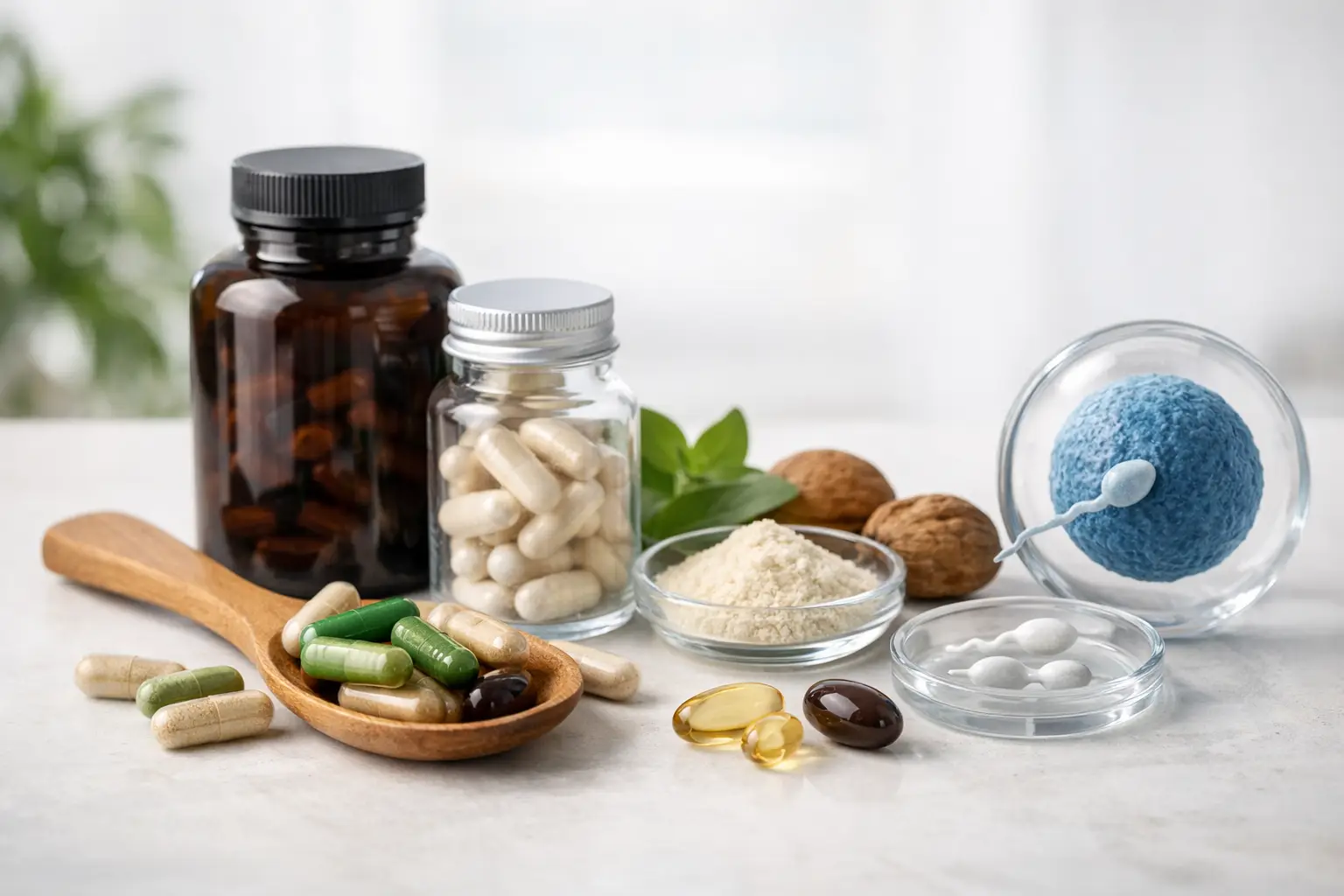
Trying to conceive can put a lot of pressure on a man. You may feel fine, have a healthy sex drive, and still wonder whether your sperm health is pulling its weight. Fertility support supplements for men can be a practical part of the bigger picture, especially when low energy, stress, poor diet, or inconsistent routines are working against you. But the right move is not grabbing the loudest bottle online. It is knowing which nutrients have a real role, what supplements cannot do, and when it is time to get medical answers.
What Male Fertility Support Is Really About
Male fertility is not just about libido or bedroom stamina. Those matter to confidence and relationship satisfaction, but conception also depends on sperm count, movement, shape, DNA integrity, and the health of the reproductive system.
Sperm production takes roughly two to three months. That means a supplement is not a same-day solution for fertility. A stronger daily routine needs time to show up in new sperm cells. Anyone promising a dramatic overnight fertility fix is selling hype, not a serious plan.
Supplements can help fill nutritional gaps and support processes involved in sperm development, antioxidant protection, energy production, and hormone function. The benefit depends on the ingredient, the dose, your baseline nutrition, and the actual cause of fertility trouble. For some men, correcting a deficiency can make a meaningful difference. For others, a supplement alone will not address a varicocele, medication side effect, hormone issue, infection, or blocked reproductive tract.
Ingredients to Look for in Fertility Support Supplements for Men
A useful formula should make sense on the label. You want named ingredients and clear amounts, not a mystery blend that hides every dose behind a flashy claim.
Antioxidant support
Oxidative stress is one major concern in sperm health. It occurs when unstable molecules outpace the body’s antioxidant defenses and may damage sperm cell membranes or DNA. Vitamins C and E, selenium, zinc, and CoQ10 are commonly used because of their antioxidant roles.
CoQ10 is especially popular in male fertility formulas because it supports cellular energy production. Sperm need energy to move forward effectively, so this is a logical area of focus. Research is encouraging in some groups, particularly men with certain semen-quality concerns, but results are not guaranteed and product quality varies.
Zinc, selenium, and folate
Zinc contributes to normal reproductive function and testosterone production, particularly when a man has low zinc intake. Selenium also plays a role in sperm development and antioxidant activity. Folate is involved in cell division and DNA synthesis, which is why it is often paired with zinc in fertility blends.
More is not always better. Large doses of zinc can interfere with copper balance, while excessive selenium can cause side effects. A serious supplement routine is about consistent, reasonable support – not throwing high doses at the problem.
L-carnitine and amino acid support
L-carnitine and acetyl-L-carnitine are involved in energy metabolism and are concentrated in the male reproductive tract. Some evidence suggests they may support sperm motility in certain men. They are not a substitute for evaluation, but they are common ingredients in targeted fertility products for a reason.
Vitamin D and B vitamins
Vitamin D has connections to hormone health and reproductive function, and low levels are common in men who spend most of their time indoors. A blood test is the cleanest way to find out whether you are deficient.
B vitamins help convert food into usable energy and support normal cellular processes. A daily vitamin B complex can make sense for men who are run down, under stress, or not eating consistently. Products such as Candy B+ Complex are designed around daily vitality, with B vitamins and botanical ingredients including maca, tribulus, goji, and soy lecithin. Think of this type of formula as general energy and male wellness support, not as a replacement for a fertility-specific diagnosis or treatment plan.
Herbal Ingredients: Useful, but Keep Your Standards High
Maca, tribulus, ashwagandha, and similar herbs are widely used in men’s wellness products. They may support libido, mood, stress management, or perceived energy for some users. That can matter when trying to conceive, because chronic stress, poor sleep, and pressure around sex can make intimacy feel like a job.
Still, herbs should not be marketed as proven cures for low sperm count or infertility. Human research can be limited, studies often use different preparations and doses, and results are mixed. If an herbal supplement supports your energy, confidence, and consistency, it may have a place in your routine. Just keep the claim realistic.
Avoid products that promise to “boost testosterone” without explaining how, list no exact dosages, or make drug-like claims. Natural does not automatically mean safe. Herbs can interact with blood pressure drugs, diabetes medications, blood thinners, and other prescriptions.
The Daily Habits That Make Supplements Worth Taking
A great formula cannot outwork a lifestyle that repeatedly damages sperm health. Heat exposure, smoking, heavy alcohol use, poor sleep, obesity, untreated medical conditions, and frequent anabolic steroid use can all work against fertility.
Start with the moves that give your body a fair chance: eat enough protein, produce, whole grains, and healthy fats; exercise regularly without overtraining; sleep seven to nine hours when possible; and manage stress before it becomes your baseline. If you smoke or use nicotine, quitting is one of the strongest calls you can make for overall health and reproductive potential.
Heat is another factor worth taking seriously. The testicles function best at a slightly lower temperature than the rest of the body. You do not have to live in fear of a warm shower, but frequent hot tubs, saunas, heated seats, or prolonged laptop use directly on your lap are habits worth reducing while trying to conceive.
Sexual timing matters too. For most couples, regular intercourse through the fertile window is more useful than trying to save sperm for one perfect day. If performance anxiety is part of the equation, focus first on communication, rest, and a routine that supports steady confidence rather than chasing a miracle product before every encounter.
When a Supplement Is Not Enough
If you and your partner have been trying for 12 months without pregnancy, it is reasonable to seek an evaluation. If your partner is 35 or older, many clinicians suggest getting help after six months. You should also speak with a clinician sooner if you have a history of testicular injury, undescended testicles, chemotherapy, pelvic surgery, sexually transmitted infections, erectile or ejaculation problems, or use of testosterone therapy.
A semen analysis is often one of the most useful starting points. It can assess sperm concentration, movement, and shape. Because results can fluctuate, one abnormal test does not always tell the full story. Your clinician may repeat it, review medications and lifestyle factors, and check hormones or other conditions where appropriate.
Be especially careful with testosterone replacement therapy if conception is a goal. External testosterone can suppress the body’s own sperm production, sometimes significantly. Never assume that a “testosterone booster” or hormone product is harmless for fertility. Ask a qualified clinician before making changes.
How to Choose a Supplement Without Getting Burned
The men’s supplement market is crowded, and buyer skepticism is justified. Choose brands that show full ingredient amounts, provide clear directions, use standard manufacturing practices, and make realistic claims. A trustworthy seller should also make it easy to verify what you are buying, understand shipping, and reach customer support if something is wrong.
Do not stack several products with overlapping ingredients unless you have checked the totals. It is easy to double up on zinc, selenium, vitamin D, or stimulants without realizing it. If you take prescription medications, have high blood pressure, diabetes, kidney disease, liver disease, or a hormone condition, run the product by a pharmacist or clinician first.
Give a sensible routine time. Track how you feel, keep your sleep and training consistent, and avoid changing five things at once. For fertility-specific goals, reassess after about three months, since that better matches the sperm production cycle.
The strongest fertility plan is not complicated: use a transparent supplement only where it fits, protect your sleep and nutrition, cut the habits that work against sperm health, and get tested when the timeline says it is time. That approach gives you something better than false promises – a clear, confident next step.