
Blog
What Causes Low Stamina in Men? 9 Real Reasons

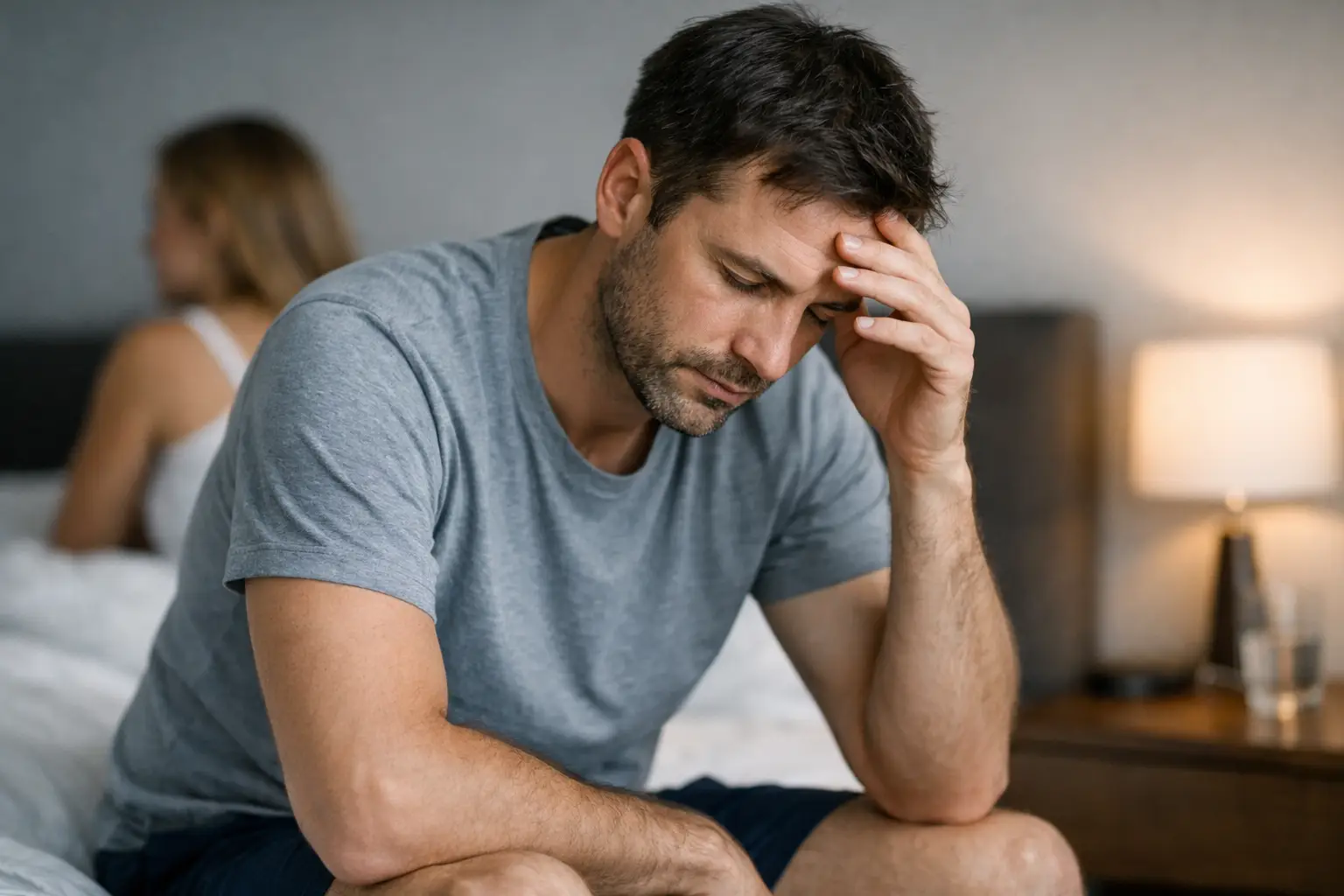
A man can feel fine at work, then lose steam at the gym, during sex, or halfway through a normal day. That gap can be frustrating, especially when it starts affecting confidence and relationships. So, what causes low stamina in men? Usually, it is not one simple issue. Stamina depends on sleep, circulation, fitness, hormones, stress, nutrition, and mental focus all working together.
Low stamina is also not automatically a sign that something is seriously wrong. A hard week, poor sleep, a new baby, travel, heavy drinking, or a demanding training schedule can drain anyone. But when low energy or reduced sexual endurance becomes a regular pattern, it is worth looking at the real drivers instead of just pushing harder.
What Causes Low Stamina in Men? Start With the Basics
Stamina is your ability to maintain physical or sexual activity without feeling wiped out too quickly. For some men, the issue is overall energy. For others, it is getting winded easily, losing focus, struggling to maintain arousal, or taking longer to recover after exercise or sex.
Those experiences can overlap, but they are not always caused by the same thing. Better cardio conditioning may improve how long you can exercise, while stress management and better sleep may make a bigger difference for sexual performance. The goal is to identify the weak link, not chase a one-size-fits-all fix.
1. Poor Sleep and Inconsistent Recovery
Sleep is where your body resets. Short or broken sleep can lower daytime energy, slow muscle recovery, reduce motivation, and make stress feel bigger than it is. It can also affect hormone regulation and libido.
A few late nights are normal. The issue is the pattern: regularly getting too little sleep, waking repeatedly, scrolling in bed, working late, or using alcohol as a sleep aid. Men who snore loudly, wake up gasping, or feel exhausted despite enough time in bed should talk with a clinician about possible sleep apnea. It is common, treatable, and can take a serious toll on energy and sexual health.
2. Low Cardiovascular Fitness
Stamina is closely tied to your heart, lungs, and blood flow. If you spend most days sitting and rarely do moderate cardio, everyday exertion can feel harder than it should. You may notice it on stairs, during workouts, or when trying to keep your energy up during intimacy.
The fix does not require becoming a marathon runner. Brisk walking, cycling, swimming, or incline treadmill sessions a few times a week can improve endurance over time. Start at a level you can repeat. Going all-out once, then quitting for two weeks, does less than a manageable routine you actually keep.
3. Stress, Anxiety, and Mental Overload
Stress burns energy before you even move. Work pressure, financial worries, relationship tension, and nonstop notifications can keep your nervous system switched on. That can make it harder to sleep, focus, relax, and stay present during sex.
Performance anxiety deserves special attention. Worrying about whether you will last long enough or satisfy your partner can pull attention away from the moment. The body may respond with difficulty getting or maintaining an erection, premature ejaculation, or a sudden drop in desire. This is not a character flaw. It is a real mind-body response, and it is more common than many men admit.
4. A Diet That Leaves You Running Empty
Food is fuel, but many men run on coffee, skipped meals, takeout, and sugar crashes. That combination can create a fast burst of energy followed by a hard drop. Under-eating can also hurt training recovery, while consistently overeating highly processed foods may make you feel sluggish and affect long-term metabolic health.
Build more steady meals around protein, fiber-rich carbohydrates, fruits or vegetables, and healthy fats. Hydration matters too. Mild dehydration can cause fatigue, headaches, and reduced exercise performance. If you sweat heavily or train in heat, replacing fluids and electrolytes becomes even more relevant.
Common Health Factors Behind Low Male Stamina
5. Low Testosterone or Other Hormone Changes
Testosterone supports libido, muscle mass, mood, and energy, but low stamina does not automatically mean low testosterone. Levels naturally vary throughout the day and can be affected by sleep, body weight, illness, medication, and stress.
Symptoms that may justify a conversation with a healthcare professional include consistently low sex drive, fewer morning erections, depressed mood, reduced strength, increased body fat, or unusual fatigue. Proper testing matters. Do not assume a hormone problem based on a single bad week or a social media checklist.
6. Blood Sugar, Blood Pressure, and Circulation Issues
Good circulation supports exercise capacity and erectile function. Conditions such as high blood pressure, diabetes, high cholesterol, obesity, and cardiovascular disease can reduce stamina gradually. Sometimes erection changes are an early signal to check overall vascular health.
This is one reason not to ignore persistent sexual-performance changes. It may be stress or poor sleep, but it can also be a useful reason to schedule a checkup, review your numbers, and get ahead of bigger problems.
7. Medication, Alcohol, Nicotine, and Other Substances
Some prescription medications can contribute to fatigue, reduced libido, or sexual side effects. Certain antidepressants, blood pressure medications, sedatives, pain medications, and antihistamines are examples. Never stop a prescribed medication on your own, but bring up side effects with the clinician who prescribed it. There may be alternatives.
Alcohol can lower inhibition in the moment, but too much often works against stamina. It disrupts sleep, dehydrates you, and can interfere with erections. Nicotine can also impair circulation. Cutting back is not always easy, but it can pay off in energy, conditioning, and sexual function.
8. Overtraining or Not Recovering Enough
More exercise is not always better. Men who train intensely every day, stay in a calorie deficit, or ignore soreness may end up feeling flat, irritable, and weak instead of stronger. Your body adapts during recovery, not only during the workout.
If stamina dropped after increasing your training volume, take a look at rest days, sleep, food intake, and workout intensity. A smarter program may mean fewer maximal-effort sessions and more consistent moderate training.
9. Relationship Problems and Sexual Routine
Sexual stamina is not just physical. Resentment, poor communication, boredom, pressure, or feeling disconnected from your partner can all affect desire and performance. If the problem shows up only with a specific situation or partner, that context matters.
A direct, respectful conversation can remove a lot of pressure. Slowing down, focusing less on a finish line, and paying attention to what feels good for both people can often improve the experience more than trying to force your body to perform on command.
How to Build Stamina Without Guesswork
The strongest approach is boring in the best way: make a few changes that support your whole system, then stick with them long enough to judge the results. Aim for a regular sleep schedule, movement most days, strength training two or three times a week, balanced meals, and less alcohol when you know it is hurting your recovery.
Supplements may have a place as part of that bigger routine, but they are not a replacement for sleep, nutrition, fitness, or medical care. A daily option such as Candy B+ Complex may appeal to men who want convenient B-vitamin and herbal support for energy and vitality, but use any supplement as directed and check with a healthcare professional if you take medications or manage a health condition.
It also helps to be specific about what you want to improve. Are you trying to stop getting winded? Feel less tired by midafternoon? Improve libido? Last longer during sex? The more precise the target, the easier it is to choose the right changes and notice real progress.
When Low Stamina Needs Medical Attention
Make an appointment if low stamina lasts for several weeks, gets worse, or comes with chest pain, shortness of breath, fainting, unexplained weight change, severe depression, or a major change in erectile function. Seek urgent care for chest pain, severe trouble breathing, or fainting.
A clinician can review sleep, stress, medications, blood pressure, blood sugar, hormone concerns, and other possible causes. That is not overreacting. It is taking control of the factors that affect your energy, confidence, and long-term health.
Your stamina is not a fixed trait, and it is not a measure of your worth. Pay attention to the pattern, handle the basics with discipline, and get real medical guidance when the signs say it is time. Small consistent moves can bring back the energy that lets you feel capable in the gym, at work, and in the bedroom.