
Blog
How to Read Supplement Labels Before You Buy

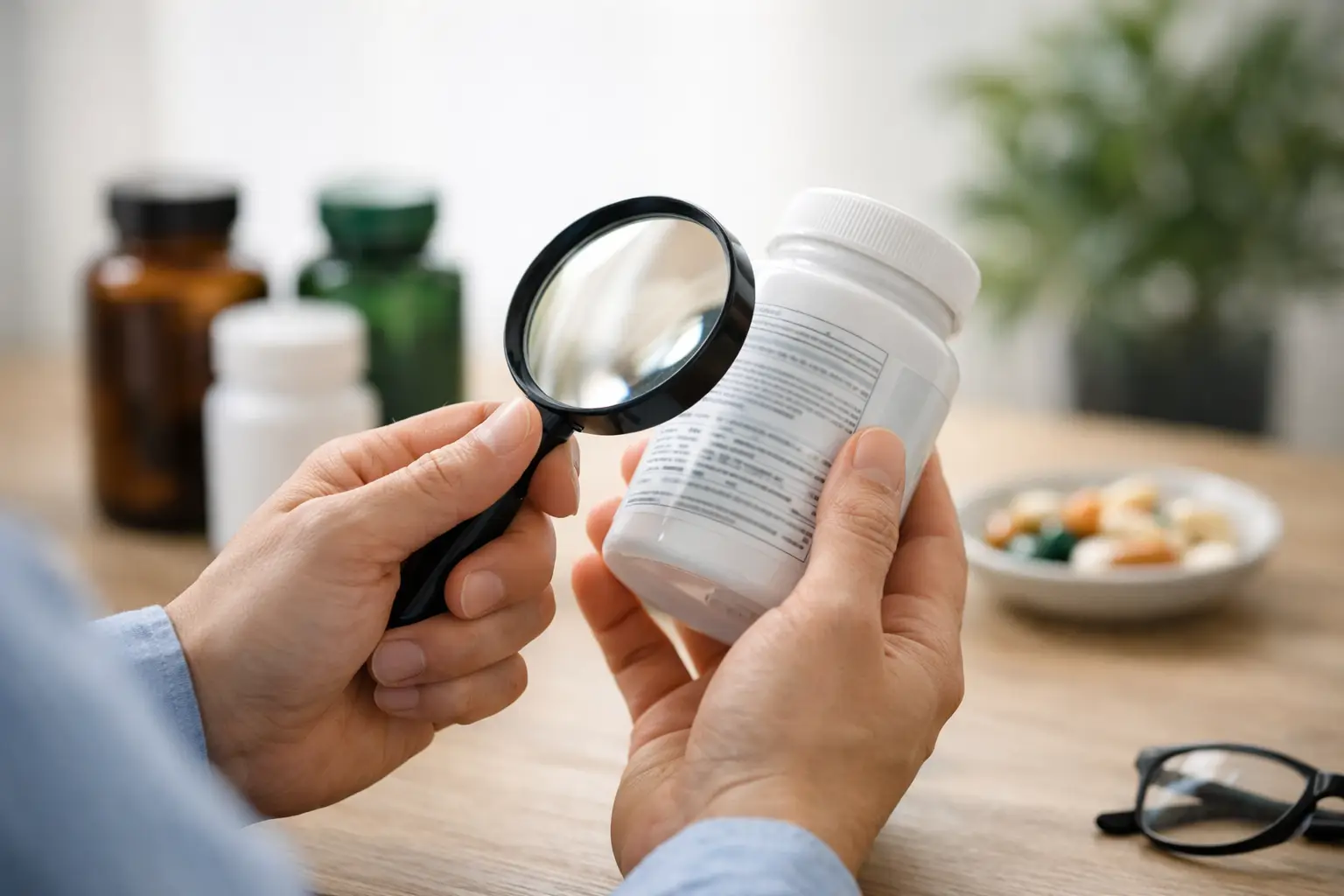
A sharp-looking bottle and a big promise are easy to find. A label that tells you exactly what you are putting in your body is harder to find – and that difference matters. Knowing how to read supplement labels helps you cut through hype, avoid mystery formulas, and spend your money on products that earn your trust.
For men shopping for energy, libido, stamina, or daily vitality support, the goal is not to become a nutrition scientist overnight. It is to know what questions to ask before you check out. A legitimate supplement label should give you usable facts, not make you hunt for them.
Start With the Supplement Facts Panel
The Supplement Facts panel is where the real conversation begins. Ignore the front-label buzz for a minute. Turn the bottle around and look for the serving size, the ingredients, and the amount of each ingredient per serving.
Serving size is not a minor detail. One gummy, two candies, three capsules, or one scoop can all be considered a serving depending on the formula. Every number on the panel is based on that amount. If a label says 500 mg of an ingredient but the serving size is four pieces, you need four pieces to get the listed dose.
Next, look at the amount per serving. This tells you how much of a vitamin, mineral, or herbal ingredient is actually in the formula. A long ingredient list can look impressive, but a long list is not the same as an effective formula. The dose matters.
For vitamins and minerals, you will often see a percentage next to the amount. This is the % Daily Value, or %DV. It shows how much a serving contributes to a standard daily diet. It can be useful for nutrients like B vitamins, but it does not tell the full story for herbs and specialty ingredients used in men’s vitality products. Many botanicals do not have an established Daily Value, so the label may show an asterisk instead.
How to Read Supplement Labels for Active Ingredients
When you are comparing male vitality supplements, focus on the ingredients connected to the result you want. If your goal is daily energy, a vitamin B complex may be relevant because B vitamins support normal energy metabolism. If you are considering herbs such as maca, tribulus, goji, or soy lecithin, check whether each one is clearly named and whether its amount is disclosed.
That does not mean every ingredient needs to be familiar. It does mean you should be able to identify it. A trustworthy label uses a specific name, such as “maca root powder” or “tribulus terrestris extract,” rather than vague language like “male power matrix.” Specificity makes it easier to research the ingredient, discuss it with a health professional, and compare one product against another.
Also pay attention to the form of the ingredient. “Magnesium” alone leaves questions. Magnesium citrate and magnesium oxide are different forms. The same goes for herbal extracts. An extract may list a ratio or a standardized compound, while plain powdered herb may not. Neither form is automatically better. The right choice depends on the ingredient, the dose, and what the manufacturer can clearly support.
Be cautious with claims that sound bigger than the evidence behind them. Supplements can support wellness, but they are not a substitute for medical care and should not be marketed as a cure for erectile dysfunction, infertility, low testosterone, or any other medical condition. If a brand promises a guaranteed overnight transformation or claims its product works exactly like a prescription drug, that is a reason to slow down.
Watch for Proprietary Blends
A proprietary blend combines multiple ingredients under one total number. For example, a label may list a “Performance Blend” at 1,000 mg and then name five herbs underneath it without saying how much of each herb is included.
This is where many shoppers lose visibility. You know the blend weighs 1,000 mg in total, but you do not know whether the ingredient you care about is present in a meaningful amount or just added in a trace quantity. A proprietary blend is not automatically low quality, but it gives you less information than a fully disclosed formula.
For a product you plan to use consistently, full disclosure is a stronger standard. You should be able to see the amount of each active ingredient and make a real comparison. Transparent dosing also makes it easier to avoid doubling up if you use a multivitamin, pre-workout, or another daily supplement.
Do Not Skip Other Ingredients
The bottom of the label usually includes “Other Ingredients.” This is where you may find the materials used to make the product hold its shape, taste better, stay fresh, or deliver its candy, capsule, powder, or liquid format.
For a candy-format supplement, ingredients like sugar, glucose syrup, gelatin, pectin, flavoring, or coloring may appear here. That is not automatically a problem. The question is whether the product fits your preferences, dietary needs, and daily routine. If you are managing sugar intake, have a food allergy, avoid soy, or follow a vegetarian diet, this section deserves your full attention.
Allergen information may appear near the ingredient list or in a separate statement. Read it closely, especially for common allergens such as soy, milk, eggs, tree nuts, peanuts, wheat, shellfish, or fish. If you have a known allergy, do not rely on assumptions based on the product name or front label.
Check the Directions and Warnings Like They Matter
They do. A supplement is only useful when it is used as directed. The label should state how much to take, when to take it, and whether it should be taken with food. More is not better. Taking extra servings because you want faster results can increase the chance of unwanted effects and may push certain nutrients beyond appropriate intake levels.
Warnings are especially relevant if you take prescription medication, have a medical condition, are preparing for surgery, or use other products with stimulating ingredients. Men managing blood pressure, blood sugar, heart concerns, hormone-related conditions, or sexual health symptoms should speak with a qualified clinician before adding a new supplement.
Pay attention to caffeine and other stimulants. Some energy-focused formulas contain them; others do not. If you are sensitive to stimulants, take medication that affects your heart rate or blood pressure, or already drink coffee and energy drinks, you need to know exactly what you are stacking.
A responsible label should also identify who should not use the product. If there are no directions, no warnings, and no clear manufacturer details, treat that as a red flag rather than a shortcut to a bargain.
Look for Accountability Beyond the Bottle
A clean label is a strong start, but it is not the only sign of a legitimate product. Check for a lot number, expiration date, and the name and contact information of the responsible company. These details show that the brand has a system for traceability and customer support.
“Made in the USA” can be a positive signal, but it is not a magic quality stamp by itself. Ask whether the company identifies where and how the product is made, whether it offers clear return or support policies, and whether it stands behind the formula. In a category filled with copycat listings and counterfeit concerns, buying from an authorized seller matters.
Third-party testing can add another layer of confidence when a brand clearly explains what was tested. Depending on the product, testing may address identity, purity, potency, contaminants, or banned substances. Do not assume a generic badge means every possible test was performed. Clear details beat vague seals.
Compare Products by Facts, Not Bottle Size
A larger bottle can be misleading. Compare the number of servings, the cost per serving, and the disclosed dose of the ingredients you actually want. A lower sticker price is not necessarily a better value if it contains fewer servings or hides its formula behind a blend.
It also helps to set one realistic goal before you buy. Are you looking for a convenient daily vitality formula, support for normal energy metabolism, or an herbal addition to your routine? A product like Candy B+ Complex may appeal to men who want a candy-format option with B vitamins and named herbal ingredients, but the label should still be your deciding tool. Read it, compare it, and make sure it fits your health needs rather than chasing the loudest claim.
A Better Standard for Your Next Purchase
The best supplement labels do not force you to guess. They tell you the serving size, show the dose of each active ingredient, disclose the supporting ingredients, explain how to use the product, and provide a way to contact the company.
That is the standard worth paying attention to. When a label is clear, you stay in control of what goes into your routine – and you can choose your next vitality supplement with confidence instead of hope.