
Blog
7 Best Nutrients for Better Sperm Health

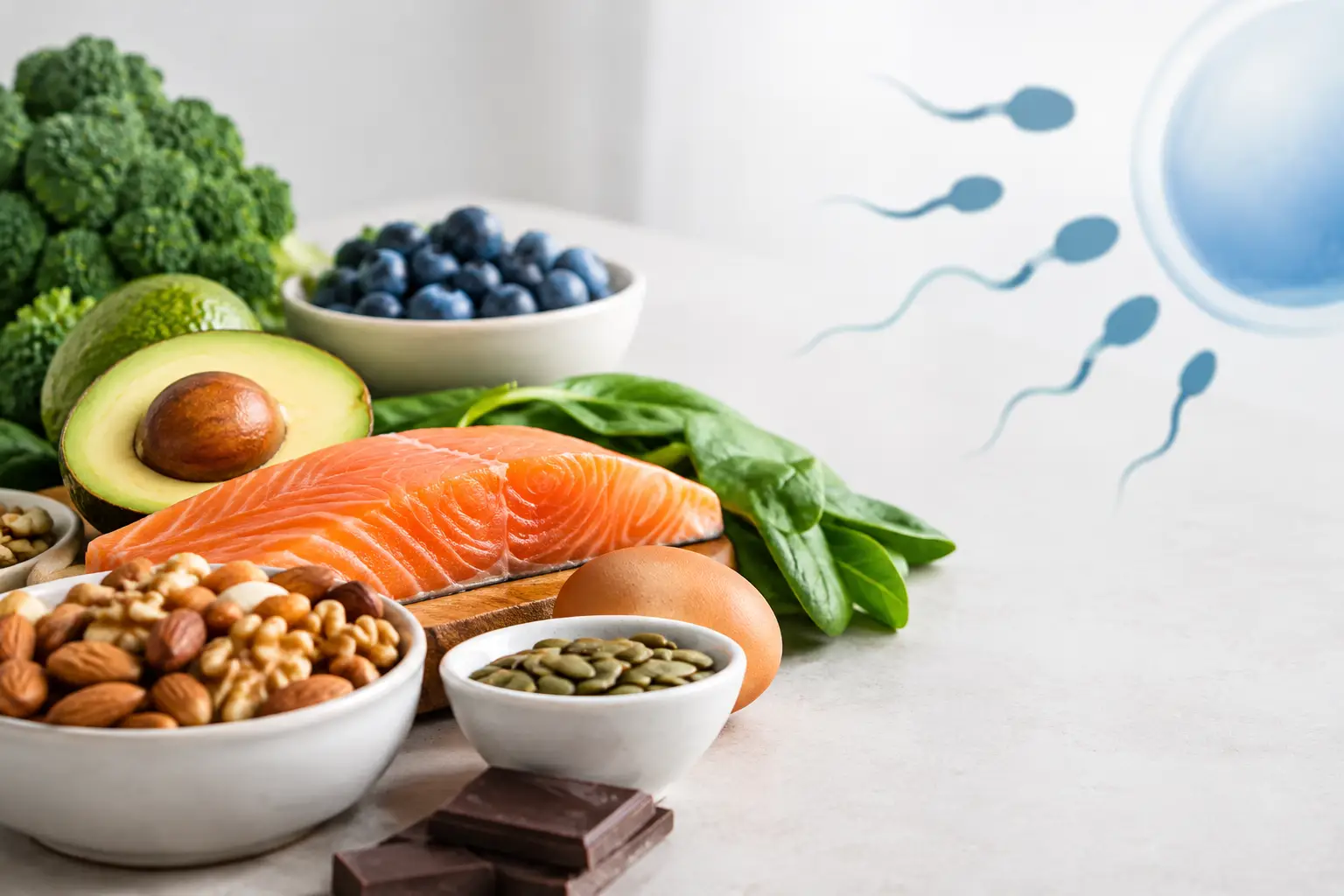
A fertility goal can feel personal fast. But before you buy another random capsule or chase a miracle claim, get clear on what actually supports the process. The best nutrients for sperm health are not magic switches. They are the nutritional building blocks that help support sperm production, movement, structure, and protection from everyday oxidative stress.
That matters whether you are actively trying for a baby, thinking ahead, or simply want to take better control of your sexual wellness. Your body makes new sperm continuously, but the full development cycle takes roughly two to three months. What you eat, how you sleep, how often you drink, and the nutrients you get today can show up in your reproductive health later.
7 Best Nutrients for Better Sperm Health
1. Zinc for production and normal testosterone function
Zinc earns its place at the top of the conversation. It is involved in normal reproductive function, DNA synthesis, immune health, and testosterone metabolism. Low zinc intake has been associated with poorer semen quality in some research, particularly when a true deficiency is present.
You can get zinc from oysters, beef, poultry, beans, pumpkin seeds, dairy, and fortified cereals. Men who eat little meat or seafood may need to pay closer attention. More is not automatically better, though. High-dose zinc taken for long periods can interfere with copper absorption and cause problems of its own. A quality daily multivitamin or a targeted supplement should stay within sensible dosing, not try to win by being extreme.
2. Selenium for antioxidant defense
Selenium is a trace mineral that helps power antioxidant enzymes in the body. Those enzymes matter because sperm cells are especially vulnerable to oxidative stress. When oxidative stress is high, it can affect sperm membranes and DNA integrity.
Brazil nuts, seafood, eggs, meat, and whole grains can provide selenium, although the amount in plant foods varies with the soil. One Brazil nut can contain a substantial amount, which is a reminder not to treat them like candy. If you supplement, keep the dose modest and consistent rather than stacking multiple products without checking labels.
3. Vitamin C to help fight oxidative stress
Vitamin C is one of the most recognizable antioxidants for a reason. It supports normal immune function and helps protect cells from oxidative damage. In the context of sperm health, that antioxidant role is the big draw.
Citrus fruit, strawberries, kiwi, bell peppers, broccoli, and tomatoes are easy ways to raise vitamin C intake without making your diet complicated. A food-first approach also gives you fiber and other phytonutrients that do not come packaged in a single isolated ingredient. If your meals are heavy on takeout and light on produce, a supplement can help fill a gap, but it should not become an excuse to ignore the plate.
4. Vitamin E for cell membrane support
Vitamin E is a fat-soluble antioxidant that helps protect cell membranes. Since sperm rely on healthy membrane structure for movement and function, vitamin E is commonly included in male fertility nutrition discussions.
Find it in almonds, sunflower seeds, peanut butter, spinach, avocado, and vegetable oils. Because vitamin E is fat-soluble, huge supplemental doses are not a casual move. Men using blood thinners or managing a medical condition should speak with a clinician before adding high-dose vitamin E.
5. Folate and vitamin B12 for DNA support
Sperm carry genetic material, so nutrients involved in DNA synthesis deserve attention. Folate and vitamin B12 work together in pathways related to cell division and red blood cell production. Low levels of either may be worth addressing, especially if your diet is inconsistent or you follow a mostly plant-based diet without a reliable B12 source.
Folate is found in leafy greens, beans, citrus, avocado, and fortified grains. Vitamin B12 is naturally concentrated in animal foods such as meat, fish, eggs, and dairy. The goal is not to megadose. It is to make sure your daily intake is not leaving a gap in a system your body uses constantly.
B vitamins also support normal energy metabolism. That does not mean they directly create instant sexual performance, but steady energy can make it easier to train, sleep, manage stress, and show up with more confidence in every part of your life.
6. CoQ10 for motility support
Coenzyme Q10, often called CoQ10, helps cells produce energy and also acts as an antioxidant. Sperm motility requires energy, which is why CoQ10 has attracted attention in studies of male fertility. Some research suggests supplementation may support semen parameters in certain men, especially those with identified concerns.
The trade-off is that CoQ10 is not a guaranteed answer, and results can take time. It may be more useful as part of a complete routine than as a stand-alone fix. If you are already using prescription medications, especially for blood pressure or blood thinning, check with your healthcare professional before adding it.
7. Omega-3 fats for sperm structure
Omega-3 fatty acids, particularly DHA and EPA, support healthy cell membranes throughout the body. They may also play a role in sperm morphology and motility. Fatty fish such as salmon, sardines, trout, and mackerel are strong food sources.
If fish is rarely on your menu, a tested fish oil or algae-based omega-3 can be practical. Quality matters here. Choose products with clear labeling and avoid treating an unverified marketplace listing as equal to a reputable, properly stored supplement. Freshness, sourcing, and actual ingredient amounts count.
What Nutrients Cannot Fix on Their Own
Nutrition gives your body raw material, but it cannot fully cancel out habits that work against sperm health. Frequent heavy drinking, smoking, anabolic steroid use, poor sleep, unmanaged stress, obesity, and regular heat exposure can all be part of the picture. That means hot tubs every night, laptops pressed against your lap for hours, or intense heat at work may be worth reconsidering if fertility is a priority.
You do not need a perfect lifestyle. You need a better baseline. Build meals around protein, colorful produce, healthy fats, and mineral-rich foods. Lift weights or stay active several times a week. Get consistent sleep. Keep alcohol reasonable, and stop smoking if you do. Those moves support more than fertility – they support libido, circulation, energy, and the confidence that comes from feeling in control of your health.
A Smarter Supplement Routine for Men
The strongest routine is usually the least complicated one you can repeat. Start by identifying obvious gaps in your diet. If you rarely eat seafood, omega-3s and selenium may deserve attention. If vegetables are inconsistent, vitamin C and folate-rich foods need more space. If you are vegan or mostly plant-based, B12 is non-negotiable.
Avoid loading up on five overlapping formulas. That is how men accidentally take excessive zinc, selenium, or fat-soluble vitamins. Read every label, use supplements from brands that clearly state what is inside, and give a consistent routine time to work. A product like Candy B+ Complex can fit into a broader daily vitality plan with its B-complex and herbal ingredients, but it should complement a nutrient-rich diet rather than replace one.
If you have been trying to conceive for 12 months without success, or six months if your partner is 35 or older, do not rely on supplements alone. A semen analysis and a conversation with a qualified clinician can identify issues nutrition cannot reveal, such as hormone concerns, varicocele, infection, or medication effects.
Your next move does not need to be dramatic. Make one better food choice, tighten up one habit, and choose nutrients with a real purpose. Consistency is where stronger sperm health, better daily energy, and lasting sexual confidence begin.