
Blog
10 Best Foods for Healthy Circulation Daily

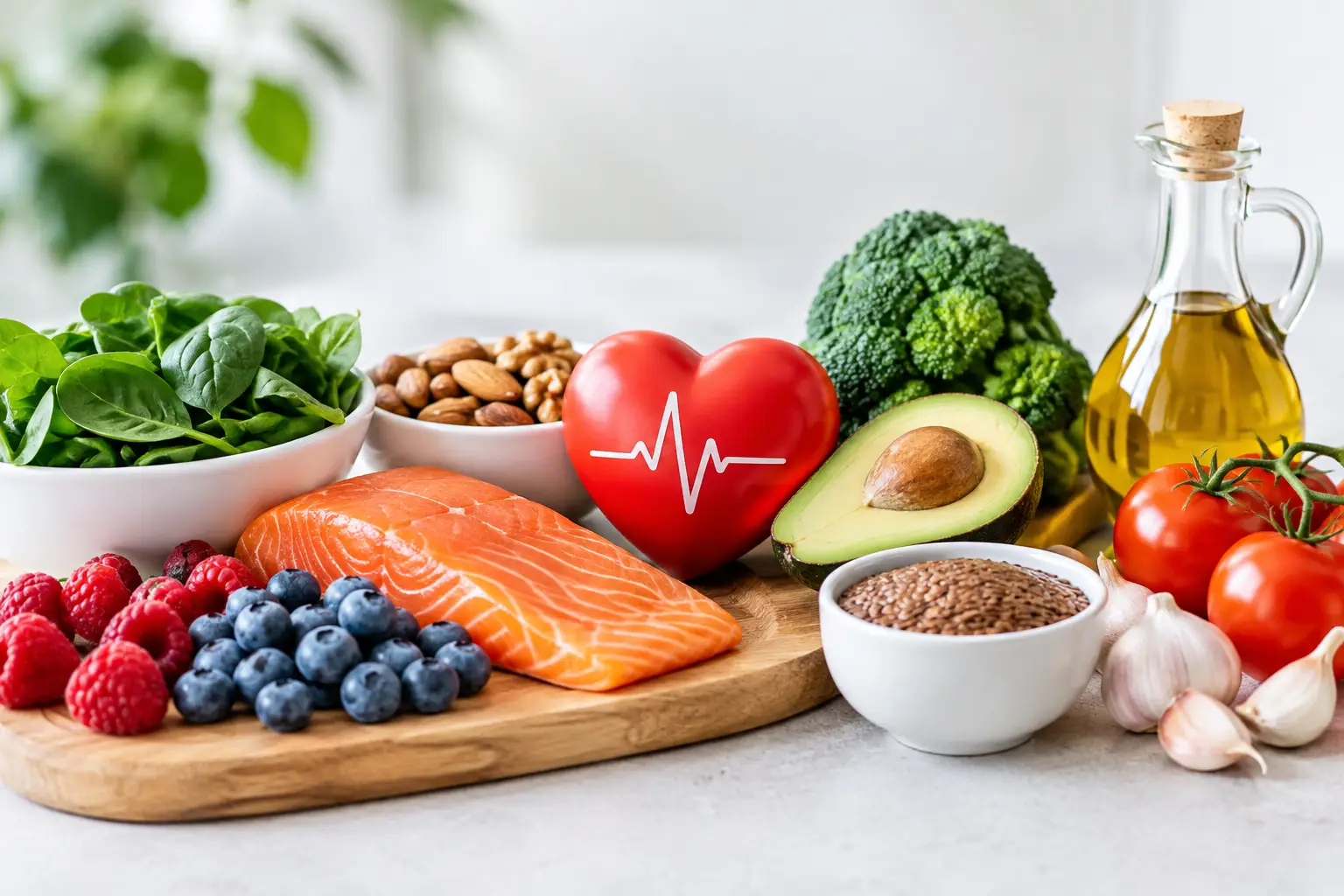
Blood flow is not just a bedroom conversation. Healthy circulation helps deliver oxygen and nutrients to working muscles, supports exercise performance, and can affect how energized and ready you feel from morning through late night. The best foods for healthy circulation will not replace medical care or create instant results, but eating them consistently is a smart move for men who want more daily vitality, better cardiovascular support, and confidence that starts with the basics.
Your blood vessels respond to the bigger picture: food quality, movement, sleep, stress, tobacco use, alcohol intake, and health conditions such as high blood pressure or diabetes. Start with your plate, then build the habits that give those foods a real chance to work.
1. Leafy greens for nitric oxide support
Spinach, arugula, kale, Swiss chard, and beet greens deliver dietary nitrates. Your body can convert these compounds into nitric oxide, a molecule that helps blood vessels relax and widen when needed. That matters for efficient blood flow during training, daily activity, and sexual arousal.
Arugula is an easy win because its peppery flavor works in salads, wraps, eggs, and sandwiches. Spinach is just as practical in an omelet, smoothie, or rice bowl. Do not overthink it: get a generous handful of greens onto your plate most days.
If you take nitrate medication for chest pain or have kidney disease, get personalized guidance from your clinician before making major diet changes. Food is generally different from a high-dose supplement, but your full health picture still matters.
2. Beets for workout-ready blood flow
Beets are one of the most recognized foods for supporting nitric oxide production. Roasted beets, canned no-salt-added beets, or beet juice can fit into a circulation-focused routine. Many active men use them before a workout because better blood vessel function may support exercise efficiency.
The trade-off is simple: beet juice can be high in sugar and easy to overdo. Choose whole beets when possible, or keep juice portions sensible. Red urine or stool after eating beets can happen and is usually harmless, though new or persistent blood in urine or stool always deserves medical attention.
3. Fatty fish for healthier blood vessels
Salmon, sardines, trout, mackerel, and herring provide omega-3 fats. These fats support heart health and help maintain normal inflammatory balance, both of which matter to the blood vessels that keep circulation moving.
Aim for fatty fish about twice a week if it fits your budget and preferences. Canned salmon and sardines are often affordable, shelf-stable choices with serious nutritional value. Grill salmon, toss sardines into a Mediterranean-style salad, or make fish tacos with avocado and cabbage for a meal that does more than fill you up.
Not a fish guy? Walnuts, chia, flax, and hemp offer plant-based omega-3s, though they are not identical to the omega-3s found in seafood. Variety is still better than doing nothing.
4. Berries for antioxidant protection
Blueberries, strawberries, blackberries, and raspberries contain flavonoids and other plant compounds that support blood vessel health. They also bring fiber without the crash that can come from a pastry, candy bar, or oversized sweet drink.
Keep frozen berries on hand. They are convenient, usually less expensive than fresh berries out of season, and easy to add to Greek yogurt, oatmeal, protein shakes, or a bowl of cottage cheese. For a simple upgrade, pair berries with a handful of walnuts for fiber, healthy fats, and staying power.
5. Citrus fruits for vitamin C and vessel structure
Oranges, grapefruit, lemons, limes, and mandarins offer vitamin C, which helps your body make collagen. Collagen is part of the structure of blood vessel walls, so getting enough vitamin C from food supports the foundation.
Whole fruit beats juice most of the time because you get more fiber and greater fullness. Grapefruit is the exception worth flagging: it can interact with several medications, including certain cholesterol and blood pressure drugs. If you take prescriptions, ask your pharmacist whether grapefruit is off the table.
6. Tomatoes and watermelon for lycopene
Tomatoes and watermelon contain lycopene, a red pigment linked with cardiovascular benefits in a balanced diet. Cooked tomato products, including tomato sauce and paste, can make lycopene easier for the body to absorb.
Try eggs with salsa, chicken with tomato sauce, or a bowl built around brown rice, lean protein, greens, and roasted tomatoes. Watermelon is a refreshing option after heat or exercise, but it is still fruit, not a magic performance food. Pair it with protein or nuts if you need a snack that lasts longer.
7. Garlic for a heart-smart flavor upgrade
Garlic makes healthy food taste like real food. It also contains sulfur compounds that may support normal blood pressure and blood vessel function. That alone makes it one of the easiest upgrades in this guide.
Use fresh garlic in stir-fries, roasted vegetables, marinades, soups, and lean meat dishes. Let chopped garlic sit for a few minutes before cooking if you can. Skip the idea that you need extreme amounts or harsh garlic supplements to get results. More is not automatically better, especially for men using blood-thinning medication or preparing for surgery.
8. Nuts and seeds for steady energy
Walnuts, almonds, pistachios, pumpkin seeds, and sunflower seeds provide unsaturated fats, minerals, protein, and fiber. These are the nutrients that can help replace the salty chips and processed snacks that make it too easy to rack up excess sodium and empty calories.
A small handful is enough. Nuts are calorie-dense, so the goal is a useful portion, not an all-day free-for-all from the bag. Choose dry-roasted or raw options with little to no added salt when possible.
9. Beans and lentils for fiber that works overtime
Black beans, chickpeas, kidney beans, and lentils bring soluble fiber, plant protein, potassium, and magnesium. A higher-fiber eating pattern can support cholesterol and blood sugar management, two major factors in long-term vascular health.
Beans do not need to be bland or complicated. Add them to chili, tacos, salads, grain bowls, or soup. Rinse canned beans to reduce sodium. If beans leave you feeling bloated, start with smaller servings and increase gradually while drinking enough water.
10. Oats and whole grains for the long game
Oats, quinoa, brown rice, whole-grain bread, and barley are reliable fuel sources that support a healthier overall diet pattern. Oats stand out for beta-glucan, a soluble fiber associated with healthy cholesterol levels.
This is not a call to fear all carbs. The better move is choosing carbs that deliver fiber and sustained energy over heavily refined options that leave you hungry an hour later. A bowl of oats with berries and seeds is a much stronger breakfast play than skipping food, pounding coffee, and hoping your energy holds.
How to build meals around the best foods for healthy circulation
You do not need a perfect menu or a cabinet full of powders. Build most meals around a simple formula: a lean protein, a high-fiber carbohydrate, colorful produce, and a source of healthy fat. Think grilled salmon with roasted beets and greens, or turkey chili with beans, tomatoes, and avocado.
Hydration matters too. Being mildly dehydrated can make you feel flat, tired, and less capable during exercise. Water is the default. Limit heavy alcohol intake and sugary drinks, especially if body weight, blood pressure, or blood sugar are already concerns.
For men focused on stamina and sexual wellness, the boring fundamentals are often the highest-return move: consistent sleep, resistance training, regular walking, enough protein, and a diet that supports your cardiovascular system rather than fighting it. A daily supplement may fit into that routine, but it should not be used to cover up chest pain, shortness of breath, erectile changes that persist, or a major drop in energy. Those are reasons to speak with a healthcare professional.
If you use a vitality product such as Candy B+ Complex, keep the standard high: follow the label, avoid stacking multiple stimulant-heavy products, and make food, movement, and sleep the base of your plan. Confidence is stronger when it is backed by habits you can repeat.
Start with one move this week: swap one processed snack for berries and nuts, add greens to lunch, or make fatty fish your next dinner. Small choices add up, and better circulation is built meal by meal.