
Blog
What Affects Sperm Motility and Fertility?

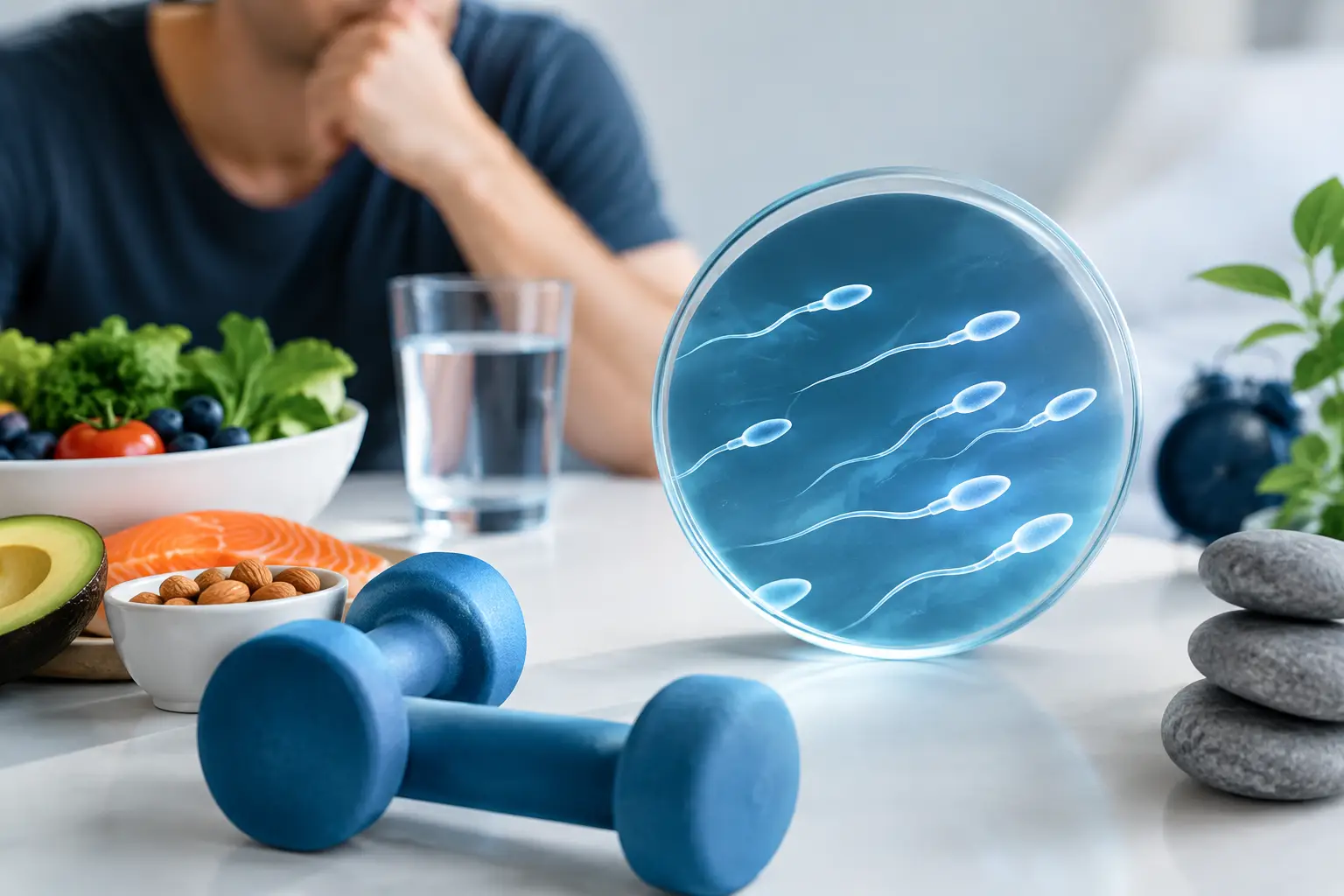
A semen analysis can show a normal sperm count while revealing a problem many men never expected: the sperm are not moving strongly enough. What affects sperm motility is rarely one single thing. Heat, stress, illness, hormone shifts, daily habits, and medical conditions can all change how well sperm travel.
Motility matters because sperm need forward movement to reach and fertilize an egg. If you are trying for a pregnancy now, planning ahead, or simply taking your sexual health seriously, knowing what can slow sperm down gives you something better than guesswork: a clear plan.
What Affects Sperm Motility Most?
Sperm motility describes how sperm move. The key measure is progressive motility, meaning sperm that move forward with purpose rather than spinning in circles or barely moving at all. Semen tests also look at concentration, shape, volume, and total motile sperm count. One result does not always tell the full story, because sperm quality naturally changes over time.
The biggest influences usually fall into three categories: physical strain on the testicles, overall metabolic and hormone health, and exposures that create oxidative stress. Oxidative stress is damage caused when the body’s antioxidant defenses cannot keep up with inflammation, toxins, poor nutrition, or other stressors. Sperm are especially vulnerable to it.
Heat can slow sperm production
The testicles sit outside the body for a reason. Sperm production works best when they stay a little cooler than core body temperature. Frequent hot tubs, saunas, steam rooms, heated seats, and long sessions with a laptop directly on the lap may raise scrotal temperature enough to affect sperm quality temporarily.
That does not mean one hot bath ruins fertility. The concern is repeated, prolonged exposure. Men who work in high-heat environments or spend hours driving may have more reason to pay attention. Switching to looser underwear, taking standing breaks, and limiting intense heat exposure are simple moves with very little downside.
Varicocele and other physical issues
A varicocele is an enlarged group of veins in the scrotum. It is one of the more common findings in men with reduced fertility and may affect sperm count, shape, and movement. Some varicoceles cause a dull ache or a feeling of heaviness, while others have no obvious symptoms.
Past testicular injury, undescended testicles, surgery, blockage in the reproductive tract, and certain genetic conditions can also play a role. These are not problems to self-diagnose with supplements or internet advice. A urologist, especially one who works with male fertility, can help identify whether a treatable cause is present.
Hormones, weight, and blood sugar matter
Testosterone is part of the picture, but male fertility is not as simple as chasing higher testosterone. The brain, pituitary gland, thyroid, testicles, insulin levels, and body fat all interact. Low or imbalanced reproductive hormones can interfere with sperm production, while obesity and poorly controlled diabetes are linked with poorer semen parameters in many men.
Be careful with testosterone replacement therapy and anabolic steroids if fertility is a goal. External testosterone can suppress the body’s own sperm production, sometimes dramatically. A man may feel stronger or more energized while his sperm count falls. Tell your clinician directly if you want children now or later before starting hormone treatment.
Lifestyle Habits That Can Affect Sperm Motility
Your sperm are not made overnight. A full production cycle takes roughly 70 to 90 days, which means the choices you make this week can show up in semen quality a few months from now. That timeline can feel slow, but it also means consistent improvements have room to work.
Smoking is one of the clearest habits to address. Tobacco exposure is associated with oxidative stress and poorer sperm movement. Vaping may seem like a safer swap, but nicotine and other chemicals can still be a concern for reproductive health. Quitting is a whole-body win, not just a fertility move.
Alcohol is more individual. An occasional drink is not automatically the issue, but heavy or frequent drinking can affect hormones, sleep, liver function, sexual performance, and nutrient status. Cannabis use is also worth discussing honestly with a clinician when conception is the goal, since research has raised concerns about semen quality and reproductive hormones.
Other common motility disruptors include:
- Chronic sleep loss, especially when it is paired with stress and irregular work hours
- A sedentary routine with little exercise or long periods of sitting
- Diets built around ultra-processed foods, excess sugar, and low intake of fruits and vegetables
- Exposure to pesticides, solvents, heavy metals, and industrial chemicals at work or home
- Repeated use of anabolic steroids or non-prescribed hormone products
You do not need a perfect lifestyle to support sperm health. You need fewer high-impact hits, repeated week after week. Regular exercise, a healthier body weight, reliable sleep, and a diet with protein, colorful produce, healthy fats, and key micronutrients create a stronger foundation than any quick fix.
Illness, infection, and medications can cause temporary changes
A high fever can reduce sperm count and motility for weeks or months afterward. This can happen after flu, COVID-19, or another significant illness. If a semen test looks concerning soon after being sick, timing matters. A repeat test after recovery may provide a more accurate picture.
Sexually transmitted infections, inflammation of the prostate or epididymis, and untreated urinary or reproductive infections may also affect sperm movement. Painful urination, pelvic pain, testicular swelling, discharge, or blood in semen deserves medical attention.
Some medications can affect fertility as well, including certain chemotherapy drugs, testosterone treatments, opioids, and medications used for other chronic conditions. Never stop a prescribed medication on your own. Ask the prescriber about fertility effects and available alternatives.
Nutrition, Supplements, and the Realistic Approach
Sperm need more than calories. Nutrients involved in antioxidant protection, energy production, and cell function include zinc, selenium, folate, vitamin C, vitamin E, vitamin D, and certain B vitamins. A nutrient-dense diet is the first play because it supports energy, circulation, weight management, and sexual wellness at the same time.
Supplements can be useful when they fill a genuine dietary gap, but they are not a guaranteed answer for low motility. Studies on individual ingredients are mixed, doses vary widely, and the cause of poor motility matters. A product that supports daily energy and general male wellness may fit a broader routine, but it cannot correct a varicocele, reverse a genetic issue, or replace medical care.
If you choose a daily vitality supplement, read the label, avoid proprietary mystery blends when possible, and be cautious about stacking multiple products with overlapping ingredients. Get Candy B+ Complex is designed for convenient daily male vitality support, but men who are actively trying to conceive, taking medications, or managing a health condition should review any supplement plan with a qualified clinician.
When to Get a Semen Analysis
If pregnancy has not happened after 12 months of regular unprotected sex, it is reasonable for both partners to get evaluated. For couples where the female partner is 35 or older, many clinicians recommend seeking help after six months. Earlier testing also makes sense if you have a history of testicular surgery, varicocele, chemotherapy, undescended testicles, pelvic infection, or trouble with erections or ejaculation.
A semen analysis is straightforward, private, and more useful than trying to judge fertility by libido, erection quality, or the appearance of semen. Strong sex drive does not guarantee strong sperm motility, and lower libido does not automatically mean infertility. Get facts before spending months chasing the wrong solution.
Results may need to be repeated because sleep, recent fever, abstinence time, alcohol, stress, and sample collection can affect a single test. If motility is low, the next step depends on the full picture: repeat testing, hormone labs, physical exam, lifestyle changes, or referral to a reproductive urologist.
The strongest move is not panic or a miracle promise. Give your body a 90-day stretch of better sleep, less heat, smarter nutrition, regular movement, and fewer toxins, then get real data if you need it. Fertility is personal, but taking control of the factors you can change is always a solid place to start.