
Blog
How to Spot Counterfeit Supplements Fast

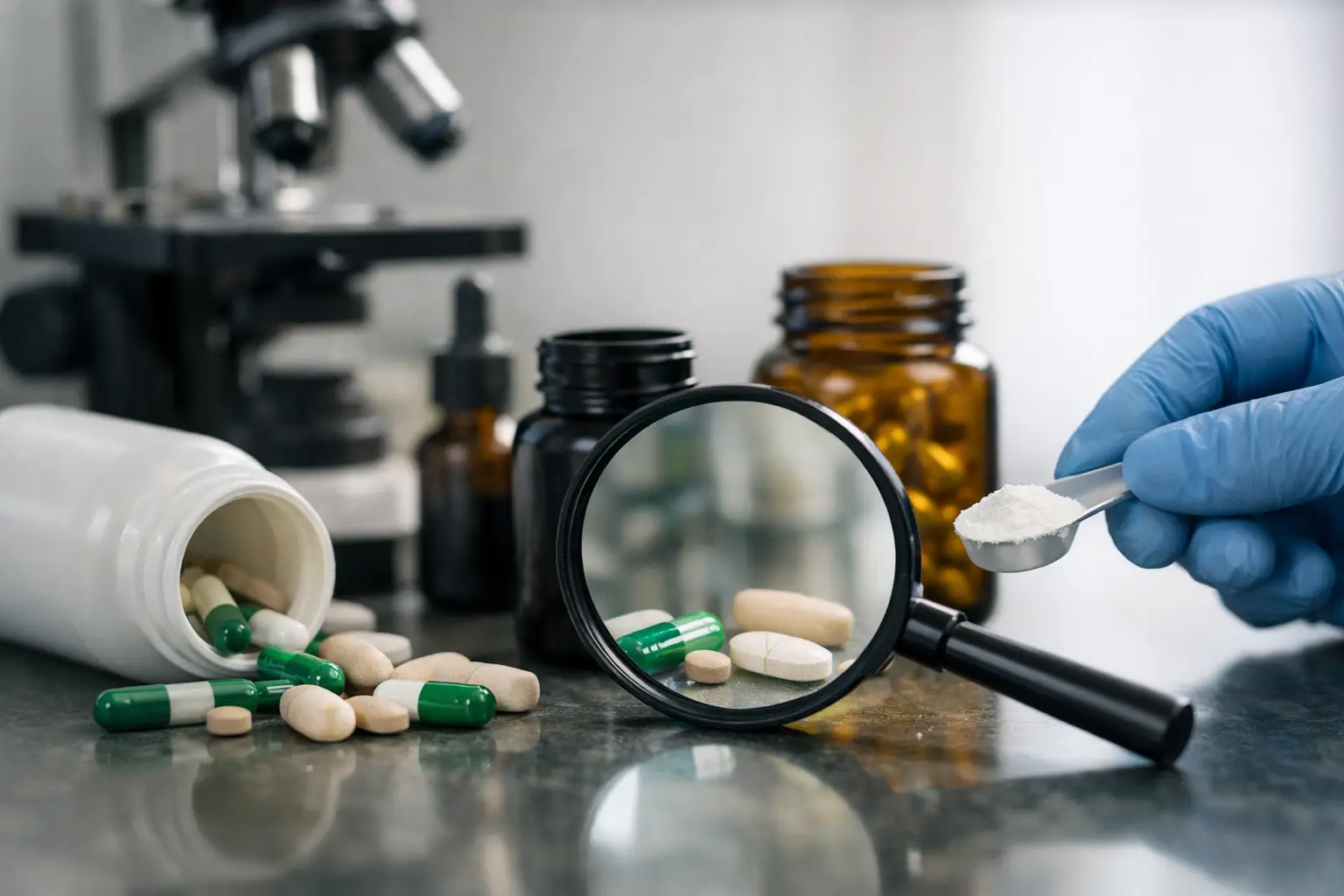
Fake supplements usually look convincing right up until they disappoint you. You order a product for energy, stamina, libido, or performance, the package arrives, and something feels off – the label looks slightly wrong, the seal seems cheap, the effects are weaker than expected, or the seller disappears when you ask a basic question. If you want to know how to spot counterfeit supplements, start with this truth: fakes are built to pass a quick glance, not a careful one.
That matters even more in men’s wellness. When you’re buying supplements for vitality, confidence, performance, or bedroom support, you are not just paying for a bottle or a pouch. You are paying for consistency, ingredient integrity, and trust. A counterfeit product can mean wasted money, unpredictable ingredients, no results, or side effects you never signed up for.
Why counterfeit supplements are a real problem
Counterfeiters target high-demand categories. Male enhancement, testosterone support, libido formulas, pre-workout, and weight management products all get hit because buyers want results fast and often shop online. That creates an opening for bad actors selling lookalikes through marketplaces, pop-up stores, and sketchy sites with stolen images and copied product claims.
The biggest risk is not just that a fake product does nothing. Sometimes it contains the wrong dose, missing ingredients, mystery fillers, or undeclared substances. In a category tied to sexual performance and energy, that is a bad gamble. A product that is supposed to help you feel sharper, stronger, and more confident should not leave you wondering what you actually took.
How to spot counterfeit supplements before you buy
The strongest move is catching red flags before checkout. Most fake products reveal themselves through the seller long before the package lands at your door.
Check where the product is being sold
Start with the source. If the seller is not the brand, an authorized distributor, or a clearly established retailer, your risk goes up fast. Counterfeit supplement sellers often hide behind marketplace usernames, generic storefronts, or fresh websites with almost no company information.
Look at the basics. Is there real contact information? Can you find customer support, shipping details, return policies, and order tracking info? Is the checkout secure and professional, or does the site feel rushed and thin? Legit businesses that care about repeat buyers usually make support easy to find because they expect questions and stand behind what they sell.
If a seller avoids clear answers about where the product comes from, treat that like a warning, not a minor detail.
Watch for pricing that makes no sense
Everybody likes a deal. That does not mean every low price is fake, but extreme discounts are one of the oldest traps in the book. If a supplement usually sells within a certain range and one seller is offering it for far less, there is a reason.
Sometimes the product is expired. Sometimes it is tampered with. Sometimes it is fake from top to bottom. In men’s performance supplements, unrealistic pricing often preys on urgency. The pitch is simple: act now, save big, get fast results. But if the price looks too good to be real, your best move is to slow down.
Study the product images closely
Counterfeiters copy packaging, but they rarely copy it perfectly. Compare the product images on the seller’s page with images from the official brand presentation. Look for slight differences in logo spacing, font weight, colors, ingredient layout, warning text, serving size placement, or claims printed on the front.
A fake product may use blurry photos, outdated packaging, or cropped images that avoid showing the full label. Some sellers mix real brand photos with counterfeit inventory. That is why images alone are not enough, but poor or inconsistent imagery is still a useful red flag.
How to spot counterfeit supplements when they arrive
Once the product is in your hands, slow down and inspect it before you use it. This is where small details matter.
Look at the seal, shrink wrap, and overall build
Authentic packaging usually feels deliberate. The seal sits properly. The wrap is tight. The print is clean. The container closes the way it should. Counterfeit packaging often cuts corners because that is where fakes save money.
If the safety seal is broken, crooked, loose, double-layered, or missing entirely, stop there. If the label is peeling, bubbling, smudged, or placed unevenly, that is another reason to be cautious. One issue alone might be a shipping problem. Several issues together point to something bigger.
Check batch codes and expiration dates
Real supplements usually carry batch numbers, lot codes, and expiration dates in a format that looks machine printed and consistent with the rest of the packaging. Counterfeit products may have codes that are missing, easy to rub off, printed in odd locations, or repeated on multiple units.
Pay attention to quality. If the expiration date looks stamped over another mark, printed in a different style than expected, or placed on a cheap sticker, that is not normal. A legitimate manufacturer tracks production. A counterfeiter often just imitates the appearance of tracking.
Read the label like a buyer who expects results
This is where many fakes get exposed. Check for spelling errors, awkward grammar, uneven nutrition panels, ingredient names that do not match the brand’s usual formula, or claims that sound exaggerated even for this category.
Men’s vitality supplements often feature recognizable vitamins and herbal ingredients. If the label suddenly lists odd substitutions, missing amounts, or inconsistent serving instructions, do not shrug it off. Counterfeiters copy the front of the package better than the fine print.
A clean, professional label does not guarantee authenticity, but a sloppy one definitely raises the odds that something is wrong.
Seller behavior can expose a fake fast
A lot of buyers focus only on the bottle or pouch. Smart buyers also judge the seller’s behavior.
If customer service never answers, dodges direct questions, or cannot explain shipping origin, authenticity, and returns, that tells you something. Legit sellers in this category know customers are cautious. They are ready for questions about verification, delivery, packaging, and support because trust is part of the sale.
This is one reason many men prefer buying direct from a brand or an authorized source instead of gambling on random listings. When a company offers secure checkout, shipment tracking, after-sales support, and real-time help, that is not just convenience. It is part of the authenticity signal.
Results can also be a warning sign
Not every disappointing supplement is counterfeit. Some products are just weak, overhyped, or a poor fit for your body. But dramatic inconsistency is worth noticing.
If you have used a product before and suddenly the taste, texture, color, smell, serving size, or effects are completely different, be careful. The same goes for side effects that do not match your past experience. Counterfeit products often show up as inconsistency. One batch feels normal, the next feels useless or strangely harsh.
That does not prove a fake on its own. Formulas can change, and natural ingredients can vary a little. But major differences deserve a second look before you keep using it.
The safest buying habits for men’s performance supplements
If your goal is stronger energy, better stamina, libido support, and more confidence, buying smart matters as much as the formula itself. The cleanest strategy is simple: buy from the brand website or a clearly authorized seller, compare packaging carefully, avoid suspicious discounts, and keep your receipts and order details.
It also helps to stick with companies that act like real businesses after the sale. Responsive support, visible policies, and order follow-up are not extras. They are signs that the company expects accountability. That is especially relevant in a category where fake products are common and buyers want privacy without losing protection.
For example, brands like Get Candy B lean hard into authenticity and support because they know this market has a trust problem. That approach matters. When a seller makes legitimacy easy to verify, you spend less time guessing and more time getting the product you actually paid for.
What to do if you think your supplement is counterfeit
Do not take more of it just to test whether it works. Set it aside. Review the packaging, your order confirmation, and the seller details. Take photos of the product, seal, codes, and label issues. Then contact the seller or brand support and ask direct questions.
If the response is vague or evasive, that tells you a lot. If the product came from a marketplace seller, report the listing. And if you experienced side effects, stop using it and speak with a healthcare professional.
The strongest buyers in this space are not the ones who chase the cheapest bottle. They are the ones who know what authentic looks like, ask hard questions early, and refuse to gamble with their health, performance, or money. A real supplement should back your confidence, not test it.